

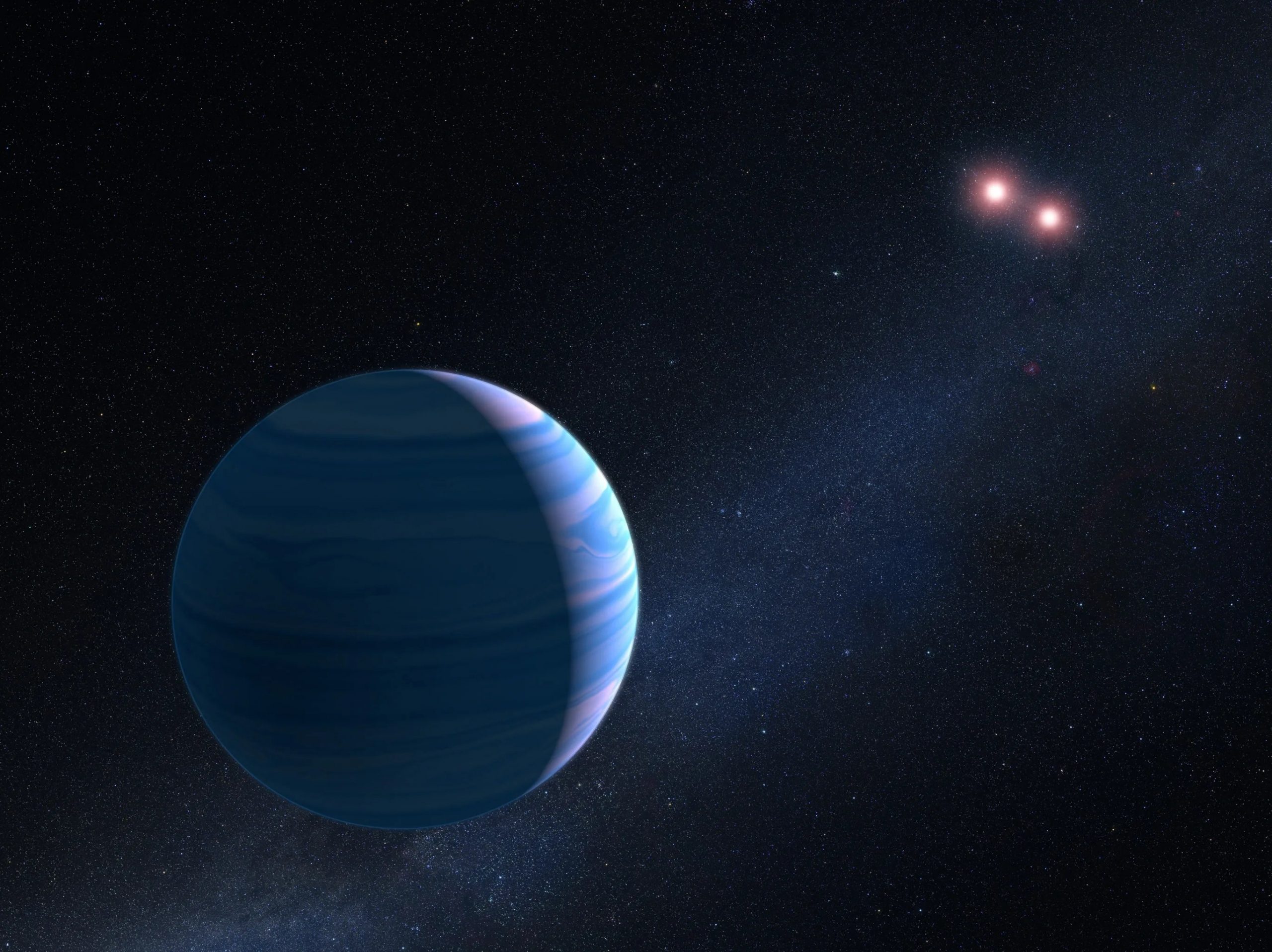
I first became fascinated with exoplanets while studying a module at The Open University called S382 Astrophysics (now replaced with S384 Astrophysics of Stars and Planets). During that period, I was introduced to these newly discovered and remarkable worlds, and the subject immediately captured my imagination.
I also had the opportunity to work with a group of other final-year Physics students on a project studying a little-known binary star system, where one star orbits another. It was genuinely exciting to remotely control a sophisticated telescope located hundreds of miles away in Tenerife and capture the light curves of these stars. But I digress! Exoplanets are simply awe-inspiring, so let’s delve into what they are and why they matter.
Worlds Beyond Our Reach
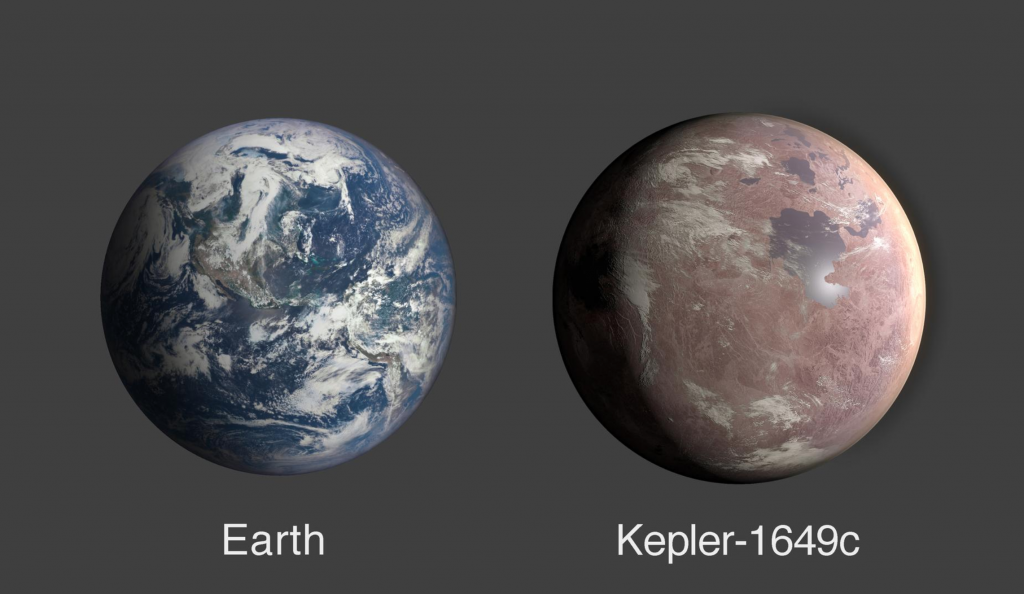
Exoplanets are planets that orbit stars beyond our own Solar System. In many ways, they resemble the planets we already know—rocky worlds, gas giants, and icy bodies—but they exist around distant stars scattered throughout our galaxy. However, some are far more exotic than anything in our neighborhood. For instance, 55 Cancri e is a “Super-Earth” so rich in carbon and under such immense pressure that scientists believe a huge portion of its interior may be composed of solid diamond.
Detection Methods
Because planets are extremely small and faint compared with the stars they orbit, astronomers usually cannot observe them directly. Instead, they rely on clever indirect detection methods. The most prolific of these is the Transit Method, which involves measuring the tiny dip in a star’s brightness that occurs when a planet passes directly between the star and the observer.
Another primary technique is the Radial Velocity (or “Wobble”) method. This relies on the fact that a planet doesn’t just orbit a star; the two actually orbit a common center of mass. This causes a subtle “wobble” in the star’s motion, which astronomers can detect by looking for shifts in the star’s light spectrum.
Through these techniques, we have discovered that our galaxy is likely teeming with more planets than there are stars. From worlds raining molten glass to “Ocean Worlds” covered in global transition-layer ice, we are just beginning to scratch the surface of the cosmic zoo.
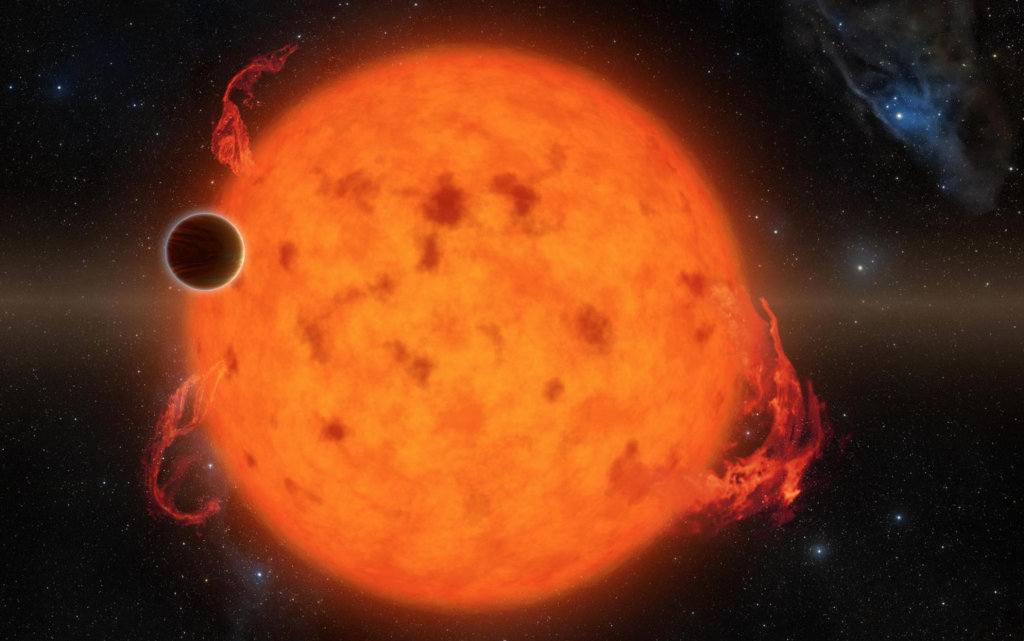
Detecting light intensity changes as a planet passes in front of its star.
How many have been discovered?
Over the past few decades, this and other techniques have led to an explosion of discoveries. Astronomers have now confirmed around 6,000 exoplanets, with thousands more candidates still being studied. One major conclusion is that planets are incredibly common — most stars in our galaxy are likely to host planetary systems of their own.
Famous Examples
Some exoplanets have become particularly well known. Proxima Centauri b, the closest known exoplanet to Earth, orbits the nearest star to the Sun just over four light-years away. Kepler-438b is another intriguing world, similar in size to Earth and located in its star’s habitable zone, though much farther away. Discoveries also include ultra-hot gas giants, “super-Earths” several times more massive than our planet, and tightly packed multi-planet systems. A couple of other great finds include:
Ross 128 b — about 11 light-years away and another Earth-sized world orbiting near the habitable zone of its cooler star.
Wolf 1061 c — a super-Earth around 14 light-years away, sitting in a zone that might allow temperate conditions.
Could we ever visit one?
Despite some exoplanets being relatively close in cosmic terms, the distances are still vast. Even the nearest known exoplanet would take tens of thousands of years to reach using current spacecraft technology. For now, these distant worlds remain places we explore through light, data, and powerful telescopes.
Why are they important?
The study of exoplanets is more than an exercise in cosmic cataloging; it is a fundamental quest to answer whether we are alone in the universe. By identifying worlds in the “Habitable Zone”—the orbital region where temperatures are just right for liquid water to exist—astronomers are zeroing in on candidates that could harbor life. Yet, even beyond the search for biology, these distant worlds serve as a cosmic mirror, helping us understand the history and rarity of our own Solar System.
Before we discovered exoplanets, we assumed all planetary systems looked like ours, with small rocky worlds near the star and gas giants far out. The discovery of “Hot Jupiters” (giants orbiting closer than Mercury) and “Super-Earths” (worlds larger than Earth but smaller than Neptune) forced scientists to rewrite their theories on how planets form and migrate. Ultimately, each new exoplanet is a data point in the story of how the universe builds worlds, helping us determine if Earth is a common miracle or a rare statistical anomaly.

What might life look like on distant exoplanets?
The Search Continues
Exoplanets have transformed our understanding of the universe. Only a few decades ago, scientists did not even know whether planets around other stars existed. The year 2025 marked roughly 30 years since the first confirmed discovery of an exoplanet around a Sun-like star, and today we know that such worlds are everywhere. Each new discovery brings us closer to answering one of humanity’s oldest questions: are we alone, or is the universe filled with other worlds like our own?
If this post has sparked your curiosity about exoplanets, you can follow the latest discoveries and missions through NASA’s dedicated exoplanet pages, where new findings are regularly shared. Search Here