

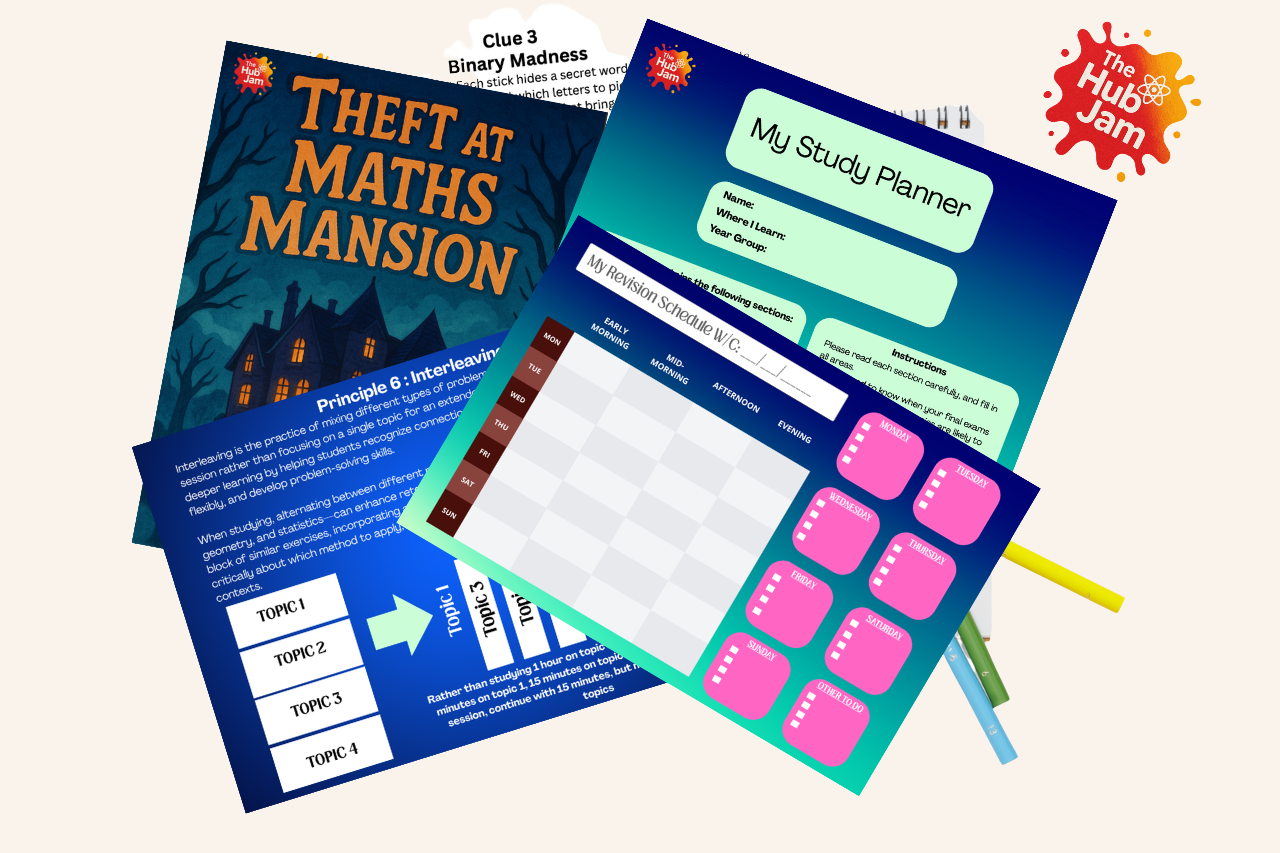
The following resources are designed as gentle entry points into The Hub Jam — engaging without being gimmicky, structured without being rigid, and purposeful without adding pressure. They are available within Week 0 of the Learning Rooms immediately upon signing up to the platform.
I spent a fair amount of time creating these resources and I hope your children love having a go and using them. I can’t take all the credit though. The Study planner has 6 fantastic learning methods, and these are taken from The Learning Scientists – I give credit to them and I link to their site within the planner.
Theft at Maths Mansion was also inspired by a logic game I first came across when working on Summer Camps across London. The students loved it so I decided to create my own version.
Have a peek below at these two entry resources, and please feel free to reach out to me at hello@thehubjam.co.uk, or using the contact form on this site if you have any further questions.
Theft at Maths Mansion
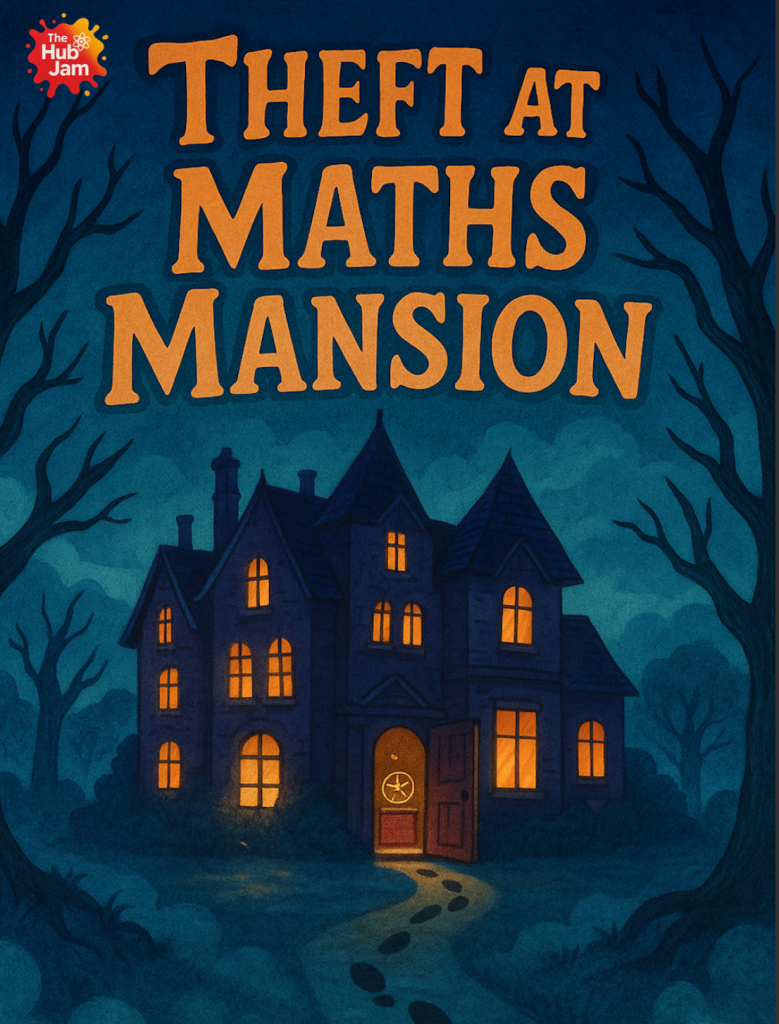
Theft at Maths Mansion is a strategic logic game designed to develop problem-solving and mathematical reasoning through story and deduction.
Late last night, a priceless artefact vanished from the grand halls of Maths Mansion.
The Golden Compass of Gauss — a legendary tool said to unlock all the secrets of maths — has been stolen.
The doors are locked.
The guests are trapped inside.
And only your child has the brainpower to crack the case.
In the game, students take on the role of a detective investigating 30 suspects, each with distinct traits: scarves, spectacles, hairstyles, hats, and even favourite films. Every detail is intentional, and nothing is included by chance.
Across four carefully designed logic puzzles, students gradually eliminate suspects by applying logical thinking, pattern-spotting, and clear reasoning. There’s no rushing, no marks scheme, and no sense of “getting it wrong” — just calm deduction and problem-solving.
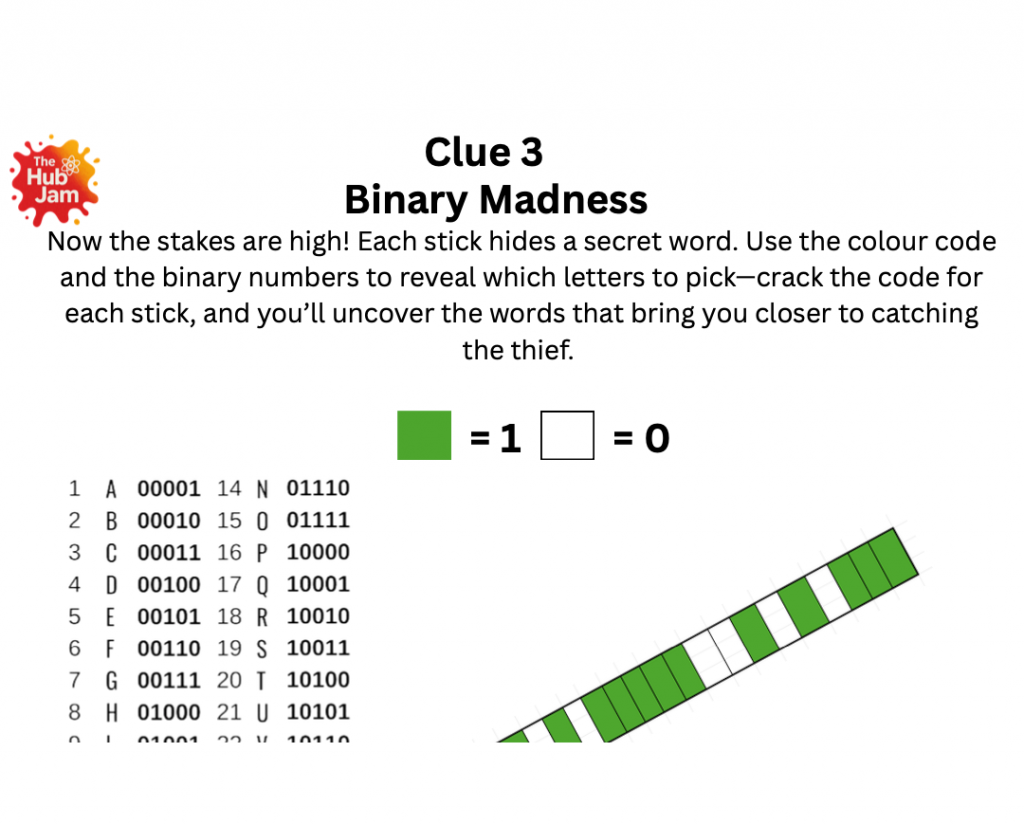
The maths sits quietly in the background, doing what it should. What children experience is focus, curiosity, and the satisfaction of solving a mystery.
The Study Planner
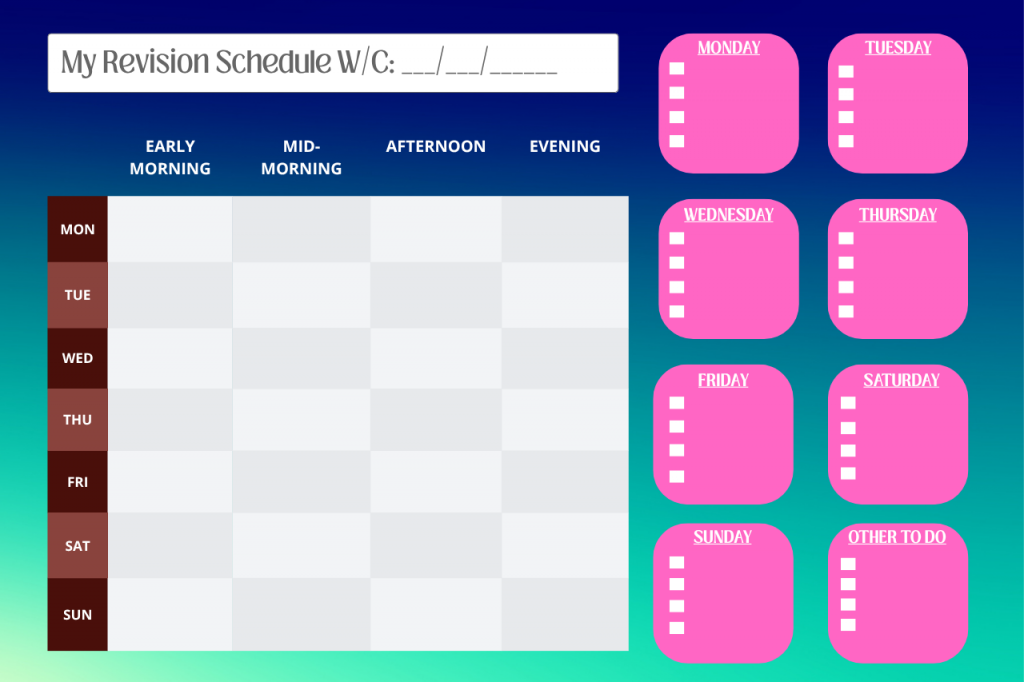
Alongside this, the Study Planner supports a very different — but extremely common — challenge. Many students don’t struggle because they lack ability. They struggle because they don’t know how to organise their learning.
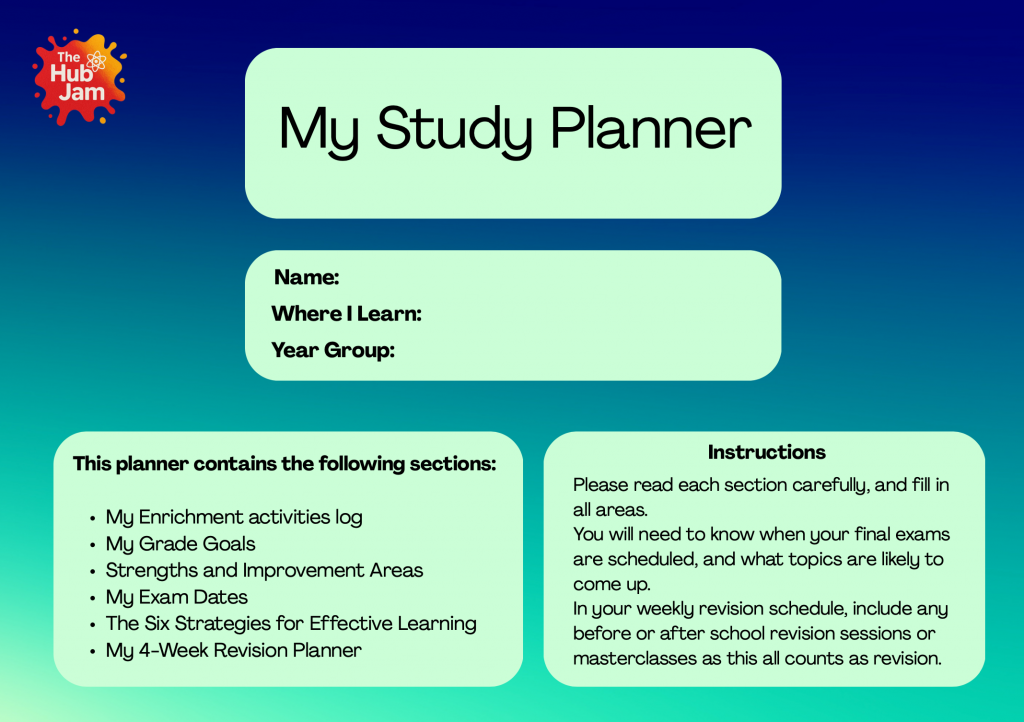
The planner helps students map out revision realistically, break work into manageable steps, and build consistent routines without pressure or overwhelm. It encourages independence while still providing clear structure and guidance.
It’s practical, calm, and deliberately simple — designed to help students feel in control of their learning rather than anxious about it.
How they work together
Together, these resources reflect the way learning happens best:
engagement first,
clarity second,
confidence built along the way.
They’re an ideal starting point for families exploring The Hub Jam, offering a supportive, enjoyable way for children to reconnect with maths and learning.